
How to Remove Dog Hair from Clothes
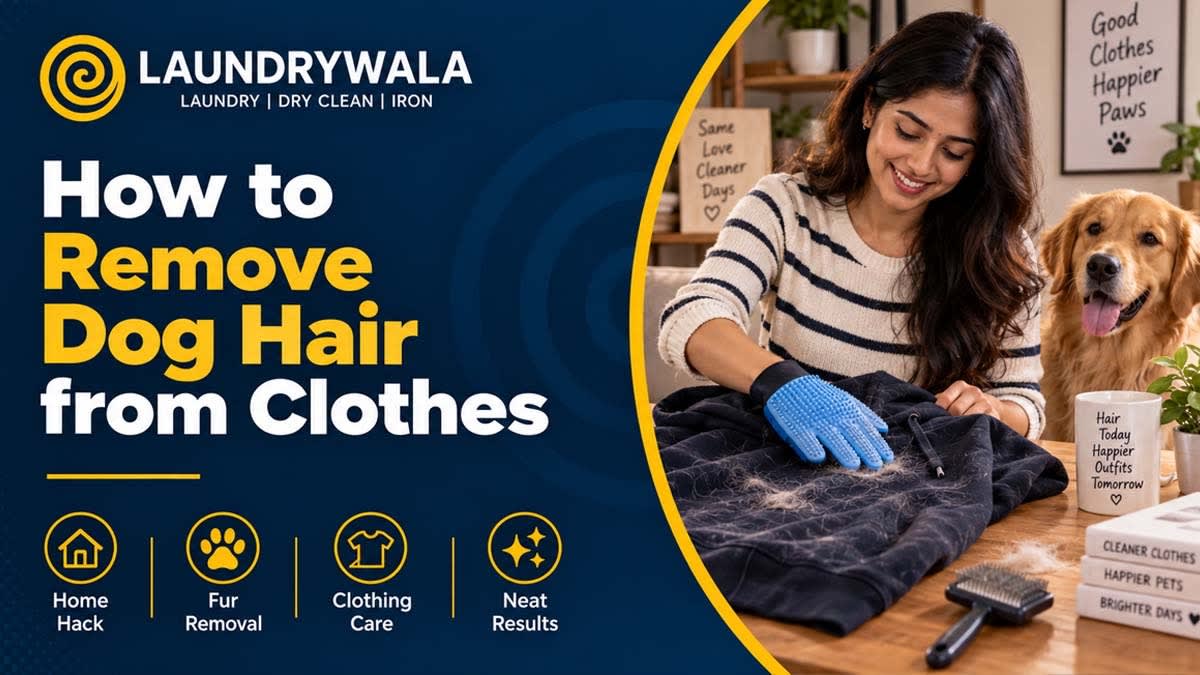
If you have a dog at home, you probably know how quickly pet hair can find its way onto T-shirts, trousers, sweaters, jackets, bedsheets and even freshly washed clothes. It can be particularly noticeable on black clothes and textured fabrics.
Learning how to remove dog hair from clothes can save you from repeatedly washing the same garments while also reducing the amount of loose fur entering your washing machine.
The good news is that you don't need complicated cleaning methods. By removing loose fur before washing, choosing the correct laundry process and finishing the garment properly after drying, you can make pet-hair-covered clothes much easier to manage.
If regular washing already takes up too much of your time, Laundrywala's professional Laundry Services can also help make everyday garment care more convenient.
Why Does Dog Hair Stick to Clothes?
Dog hair can cling to clothing because of static electricity, friction and the texture of the fabric.
Materials such as fleece, wool, velvet, knitted garments and some synthetic fabrics can hold onto fur more easily than smoother fabrics.
This is why simply putting a fur-covered garment straight into the washer may not always give you the result you expect.
The better strategy is to remove as much loose hair as possible before the clothes become wet.
How to Remove Dog Hair from Clothes Before Washing
1. Shake the Clothes Outside
Start with the easiest method.
Take heavily affected clothes outdoors and shake them firmly several times. This removes a surprising amount of loose fur before it gets into your washing machine.
Pay extra attention to:
- Sleeves
- Cuffs
- Pockets
- Collars
- Trouser legs
- Inside jackets
For heavily fur-covered items, this simple step can considerably reduce the amount of hair that needs to be dealt with later.
2. Use a Lint Roller
A lint roller is one of the easiest tools for removing surface-level pet hair.
Lay your garment on a clean, flat surface and roll the adhesive sheet across the fabric. Replace the sheet once it becomes covered with fur.
Lint rollers are especially useful for:
- Black clothes
- Office wear
- Trousers
- Jackets
- T-shirts
- Upholstery
Maytag also recommends removing as much loose pet hair as possible before putting affected clothing into a standard washing machine. Its pet hair removal guide includes shaking clothing and using a lint roller as pre-wash steps.
3. Try a Slightly Damp Rubber Glove
A clean rubber glove can also help collect loose dog hair.
Put on the glove, dampen it slightly and move your hand gently over the fabric. The friction helps the fur collect into small clumps that are easier to remove.
Don't soak the garment—the glove should only be slightly damp.
4. Use a Fabric Brush
A reusable garment or fabric brush is helpful if pet hair is a regular problem in your home.
Brush in one direction instead of repeatedly moving backwards and forwards.
For delicate fabrics, use gentle pressure and check the garment care label before brushing aggressively.
5. Try a No-Heat Tumble for Suitable Clothes
For garments that are suitable for tumble drying, a short air-only or no-heat tumble may help loosen dry pet hair before washing.
The tumbling movement can free loose hairs so that some are captured by the dryer's lint screen.
Maytag also describes a no-heat tumble before washing as one technique for loosening pet hair. See its guidance on removing dog hair from washers and dryers.
Always check the garment's care label first. Never tumble-dry a garment when its label says not to.
How to Wash Clothes Covered in Dog Hair
Once you have removed as much loose fur as possible, you can start washing.
Check the Care Label
Always read the garment care label before selecting:
- Water temperature
- Wash cycle
- Drying method
- Bleach
- Ironing
- Dry cleaning
The Whirlpool laundry care symbols guide explains how washing, drying, ironing and dry-cleaning symbols help determine the appropriate treatment for a garment.
A cotton T-shirt and a wool sweater should not automatically be washed using the same cycle.
Separate Heavily Hair-Covered Items
Avoid putting a dog blanket covered in fur into the same load as relatively clean everyday clothes.
Items that shed or carry large quantities of lint and hair are better handled separately.
The American Cleaning Institute also recommends separating heavy lint shedders from fabrics that collect lint. Its laundering problems and solutions guide provides additional advice for dealing with lint transfer.
Don't Overload the Washing Machine
Putting too many clothes into the washer leaves less room for garments to move.
A correctly sized load allows detergent and water to circulate more effectively around the clothes.
The American Cleaning Institute laundry basics guide also advises against overloading the washer and recommends following fabric-care instructions.
Use the Correct Amount of Detergent
More detergent does not automatically mean cleaner clothes.
Use the quantity recommended for your:
- Detergent
- Machine
- Water conditions
- Load size
Excess detergent can leave residue on garments rather than improving cleaning performance.
Consider an Extra Rinse for Heavy Loads
If a washable load contains a significant amount of loosened hair, an additional rinse may sometimes help remove debris that remains after the initial wash.
However, always follow the garment instructions and your washing machine manufacturer's guidance.
Quick Dog Hair Removal Guide
| Situation | Best First Step | What to Avoid |
|---|---|---|
| Light dog hair | Lint roller | Rewashing unnecessarily |
| Heavy loose fur | Shake outside + lint roller | Putting directly into washer |
| Hair on black clothes | Lint roller or garment brush | Aggressive rubbing |
| Hair on delicate clothes | Follow care label | High heat |
| Hairy pet blankets | Shake/vacuum before washing | Mixing with normal clothing |
| Hair remaining after drying | Fabric brush or lint roller | Repeated washing |
How to Remove Dog Hair from Clothes After Washing
Even after washing, you may occasionally find a few hairs remaining on the garment.
That doesn't necessarily mean the item needs another full wash.
Let Clothes Dry Properly
Allow the garment to dry according to its care instructions.
Once it is dry, remaining fur generally becomes easier to identify and remove.
Use a Lint Roller Again
Place the dry garment on a flat surface and run a clean lint roller over the affected areas.
This works particularly well on black and dark-coloured garments.
Use a Garment Brush
For light remaining fur, a reusable garment brush can be a better option than rewashing the entire item.
Use gentle strokes to protect the surface of the fabric.
Clean the Dryer Lint Screen
If you use a tumble dryer, remember to clean its lint screen according to the appliance manufacturer's instructions.
Pet fur and lint captured during drying should not be allowed to accumulate unnecessarily.
How to Remove Dog Hair from Black Clothes
Black clothing makes light-coloured pet hair especially easy to see.
For the best result:
- Shake the garment outdoors.
- Use a lint roller before washing.
- Follow the care-label instructions.
- Allow the garment to dry completely.
- Inspect it under good lighting.
- Finish with a garment brush or lint roller.
Avoid rewashing a clean garment just because a handful of hairs remain.
Repeated unnecessary washing may contribute to fading and general fabric wear.
For expensive black outfits or fabric that requires specialised handling, Laundrywala's Dry Cleaning Services can provide professional garment care.
Does Laundry Detergent Remove Dog Hair?
Laundry detergent primarily helps clean dirt, oils, odours and washable residues from clothing.
It should not be treated as something that simply dissolves dog hair.
That is why physical removal before washing remains important.
For better results:
- Remove loose fur before washing.
- Don't overload the machine.
- Use the correct amount of detergent.
- Select a fabric-appropriate cycle.
- Follow the garment's care label.
The goal isn't to use more detergent—it's to use the right laundry process.
Can Dog Hair Affect Your Washing Machine?
Occasionally washing clothes with a small amount of pet hair is different from repeatedly washing blankets or garments that are heavily covered in fur.
Large amounts of loose hair may accumulate in parts of a washer over time.
Maytag notes that pet hair can collect around washer components and potentially reach the water-pump filter. Its guidance on cleaning pet hair from a washer and dryer recommends removing excess hair before washing and following appliance-specific maintenance instructions.
After washing particularly furry items:
- Check the drum for hair.
- Wipe accessible surfaces when necessary.
- Follow your machine's cleaning instructions.
- Inspect user-serviceable filters according to the manual.
Don't dismantle washing-machine components unless your manufacturer specifically instructs you to do so.
Don't Forget About Your Dryer
Pet hair loosened during drying may collect in the dryer lint screen.
Make cleaning the lint screen part of your normal laundry routine.
You should also:
- Avoid overloading the dryer.
- Use only dryer-safe garments.
- Follow recommended temperature settings.
- Check the care label before applying heat.
These simple practices help protect both your clothing and laundry equipment.
How to Prevent Dog Hair from Getting on Clothes
The easiest dog hair to remove is the hair that never reaches your clothes.
Groom Your Dog Regularly
Regular brushing helps collect loose hair directly from your dog's coat before it reaches your sofa, bed and clothing.
According to the American Kennel Club dog shedding guide, grooming requirements depend on coat type and shedding pattern, with heavier shedders generally needing more frequent brushing.
Keep Fresh Clothes Away From Pet Areas
Don't leave freshly cleaned laundry on:
- Beds
- Sofas
- Chairs
- Floors
- Pet bedding
Fold and store clean garments promptly.
Wash Pet Bedding Regularly
Dog beds and blankets can become major reservoirs of loose hair.
Before washing them:
- Take them outdoors.
- Shake away loose fur.
- Vacuum or brush the fabric when appropriate.
- Wash according to the care label.
Vacuum Furniture and Floors
Dog hair can move from furniture and carpets back onto clothing.
Regularly vacuum areas where your pet sleeps or spends significant time.
Use Washable Sofa Covers
If your dog has a favourite sofa or chair, a removable washable cover can make routine cleaning easier.
For larger household fabrics such as curtains and carpets, you can also explore Laundrywala's complete range of professional cleaning services.
What About Expensive or Delicate Clothes?
Not every fabric should be treated with DIY methods.
Take extra care with:
- Silk
- Wool
- Cashmere
- Embellished outfits
- Sarees
- Lehengas
- Designer clothing
- Blazers
- Coats
- Dry-clean-only garments
Aggressive rubbing, unsuitable detergents, excessive heat or the wrong wash cycle can damage delicate materials.
When the care label specifies dry cleaning—or you're unsure how to treat an expensive garment—professional cleaning is usually the safer approach.
Professional Laundry Care for Pet Owners
Knowing how to remove dog hair from clothes is useful, but constantly brushing, sorting, washing, drying and finishing an entire family's laundry can become time-consuming.
Laundrywala provides professional garment-care options for everyday clothing as well as specialised cleaning for delicate fabrics.
You can learn more about Laundrywala and its garment-care process, including professional laundry, dry cleaning and doorstep service.
Professional cleaning can be particularly useful when you're dealing with:
- Large weekly laundry loads
- Delicate garments
- Premium outfits
- Woollens
- Household fabrics
- Clothes requiring special care
Common Pet-Hair Laundry Mistakes to Avoid
Putting Extremely Furry Clothes Straight Into the Washer
Remove loose fur while the garment is dry whenever possible.
Assuming Hotter Water Is Always Better
Higher temperature isn't automatically more effective and can damage certain fabrics.
Follow the garment care label.
Adding Too Much Detergent
Excess detergent is not a substitute for removing loose pet hair before washing.
Using Random DIY Chemical Mixtures
Avoid experimenting with unverified combinations of household chemicals on clothing.
Some materials can fade, weaken or stain.
Ignoring Your Washer and Dryer
Hair and lint that accumulate inside user-cleanable areas should be dealt with according to the appliance manufacturer's instructions.
FAQs about best Laundry Tips
Everything you need to know about expert fabric care, stain removal, and maintaining your garments like a pro.