How to Remove Tea Stains from Clothes: The 2026 Expert Recovery Guide
How to Remove Tea Stains from Clothes: The 2026 Expert Recovery Guide
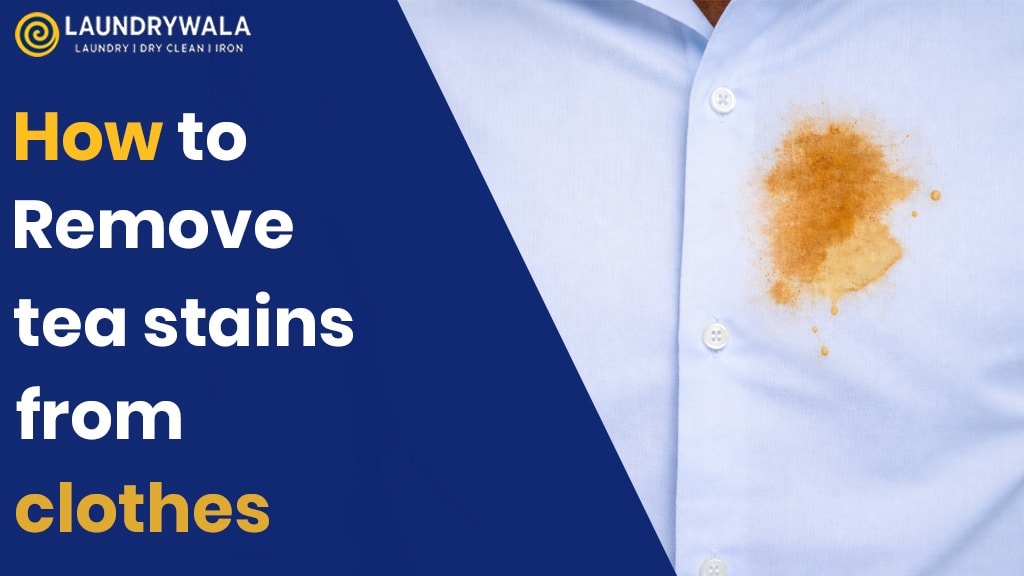
Tea stains are extremely common in India, especially because masala chai is part of daily life. A small spill during office tea break, travel, or at home can leave a brown stain on shirts, kurtas, or sarees. Many people immediately ask questions like How to get chai stains out of a white office shirt? or Can I still save my silk saree from an old tea mark?
The challenge is that tea stains are not simple liquid stains. Tea contains tannic acid, a natural plant compound that behaves like a dye. When tea touches fabric, the liquid spreads through the weave using capillary flow dynamics. As the water evaporates, tannin pigments remain inside the fibers. Over time, molecular oxidation strengthens the bond between pigment and textile, making the stain darker and harder to remove.
In India, the problem becomes more complicated because we rarely drink plain black tea. Masala chai is a combination stain, meaning it contains multiple components that react with fabric differently:
- Tannins from tea leaves
- Milk proteins (casein)
- Milk fats
- Sugar residues
Each of these elements behaves differently inside textile fibers. Removing such stains requires breaking down proteins and fats before addressing the tannin pigment itself. This is why many household cleaning attempts fail, especially when the stain has already dried.
How to Remove Old Tea Stains That Have Already Dried?
Dried tea stains are among the most searched garment problems online. Once tea dries, the stain goes through molecular oxidation, a process where tannin pigments react with oxygen and become darker and more stable.
Step-by-step removal method :-
- Rehydrate the stain first
Apply a few drops of glycerin on the stain and allow it to sit for 10–15 minutes. Glycerin acts as a humectant and softens the hardened pigment.
- Apply liquid detergent
Use a mild liquid detergent and gently massage the area. Liquid detergents penetrate fibers more effectively than solid bar soaps.
- Rinse with cold water
Cold water helps flush the pigment outward without setting the stain deeper.
- Use oxygen bleach for cotton fabrics
For white cotton garments, oxygen bleach can break down oxidized tannin molecules safely.
Golden Rule: Never iron a garment that still has a tea stain. Heat causes thermal fixation and permanently locks tannins into the fabric fibers.
How to Remove Tea Stains from White Office Shirts
White office shirts are the most frequent victims of tea stains. Collar areas, cuffs, and chest pockets are particularly vulnerable during tea breaks. If a stain appears, quick action can prevent permanent discoloration.
Immediate stain treatment steps :-
• Rinse the stain with cold water from the reverse side of the fabric
• Apply liquid detergent directly on the stain
• Gently blot the stain with a microfiber cloth
• Wash using normal detergent once the stain fades
If the stain persists, a 3% hydrogen peroxide solution can help break down the oxidized tannin pigments.
Hydrogen peroxide works as a mild oxidizer that converts tannin molecules into colorless compounds. This method is especially effective when trying to remove tea stains from white office shirts.
However, always test the treatment on a small hidden area before applying it to the entire garment.
Can You Remove Tea Stains from Expensive Silk Sarees?
Silk sarees require special attention because silk fibers are protein-based textiles. Unlike cotton, silk is sensitive to both acids and alkaline chemicals.
Many people ask: Can I save my silk saree from an old tea mark?
The answer is yes—but household methods can be risky.
Silk fibers resemble human hair at a molecular level. When exposed to harsh chemicals such as strong detergents, vinegar, or lemon juice, the fiber structure can weaken and lose its natural sheen.
The safest approach is professional cleaning using solvent-based dry cleaning techniques. These solvents dissolve oils and pigments without exposing the fabric to excessive water or mechanical agitation.
Golden Rule: Never scrub a tea stain on silk. Scrubbing can damage the delicate fiber structure permanently.
Why Did My Tea Stain Turn Red After Washing with Soap?
Many people notice that a tea stain sometimes becomes darker or reddish after washing with soap. This happens because of a pH shift inside the fabric fibers.
Tea pigments are sensitive to changes in acidity and alkalinity. Traditional laundry soaps are strongly alkaline, with a pH between 9 and 11. When tannin molecules encounter an alkaline environment, their chemical structure changes.
Instead of dissolving, the pigment becomes darker and more stable. This reaction intensifies the stain and makes it harder to remove.
Professional garment care often involves pH balancing. A mild organic acid solution neutralizes alkaline residues and restores the pigment to a removable form.
Maintaining the correct pH balance helps protect textile longevity and prevents fiber brittleness.
Why Masala Chai Stains Are Harder to Remove
Indian tea is not just liquid—it is a combination stain. The mixture of tannins, milk proteins, fats, and sugar creates a multi-layer stain that behaves differently from simple tea spills.
One of the most overlooked factors is sugar caramelization.
When sugar residue remains on fabric and is exposed to heat from sunlight or ironing, it undergoes caramelization. During this process, sugar molecules break down and form a sticky resin-like substance.
This hardened sugar acts like glue, trapping the tannin pigments and milk proteins inside the fibers. The fabric may even feel stiff or sticky.
Removing such stains requires professional treatment known as Steam Relaxation. Controlled steam softens the caramelized sugar and loosens the bond between the pigment and the fiber without damaging the textile.
The Hard Water Factor in Mumbai, Thane, and Pune
Water quality plays an important role in stain removal. Many Indian cities—including Mumbai, Thane, and Pune—have hard water containing high levels of minerals.
The most common minerals present are Calcium ($Ca^{2+}$) and Magnesium ($Mg^{2+}$) ions.
When tea stains interact with these minerals, they form insoluble tannate salts. These salts behave like microscopic cement particles that bind tightly to fabric fibers.
Once these salts form, standard detergents struggle to remove the stain completely. This is why tea stains often appear darker or more persistent in hard-water regions.
Professional cleaning systems sometimes use water softeners and controlled chemical treatments to prevent tannate salt formation and improve stain removal efficiency.
Decision Matrix: DIY Methods vs Professional Laundrywala Cleaning
| Feature | Home Cleaning Methods | Laundrywala Professional Cleaning |
|---|---|---|
| Old stain removal | Limited success | High success rate |
| Protein breakdown | Not possible | Enzymatic spotting |
| Hard water mineral control | No control | Controlled chemistry |
| Fabric protection | Risky for delicate fabrics | Fabric-specific treatment |
| Consistency | Unpredictable | Professional results |
Why Trust Laundrywala for Your Premium Garments?
While some stains can be treated at home, complex stains such as masala chai, turmeric, oil, and wine stains often require professional care. Laundrywala provides advanced garment treatment methods designed to protect delicate fabrics while removing stubborn stains.
Professional Stain Removal
Laundrywala specialists use enzymatic spotting techniques to break down tannins, proteins, and fats. Enzymes such as protease digest protein layers, while lipase dissolves oils and fats trapped within the fabric.
Premium Dry Cleaning
For delicate garments like silk sarees, wool suits, or designer outfits, Laundrywala uses hydrocarbon dry cleaning technology. This solvent-based cleaning method removes stains without damaging delicate fibers.
Doorstep Pickup and Delivery
Laundrywala offers convenient doorstep pickup and delivery, allowing customers to schedule garment cleaning without visiting a store.
Complete Fabric Care
Laundrywala services extend beyond clothing. The company also provides:
- Shoe cleaning services
- Carpet cleaning
- Curtain cleaning
- Professional ironing services
This ensures that both garments and household fabrics remain fresh and well maintained.
About Laundrywala & Contact Information
Laundrywala is one of India’s trusted garment care specialists, providing professional fabric cleaning and stain removal services across major cities including Pune, Mumbai, Thane, and many other locations across India. With years of experience in handling complex stains such as tea stains, masala chai stains, turmeric stains, oil stains, and everyday garment care, Laundrywala combines modern fabric science with professional cleaning technology to restore garments safely.
Our trained garment care experts use advanced stain removal techniques including enzymatic spotting, fabric-safe cleaning agents, and premium dry cleaning methods to treat delicate fabrics like cotton, linen, wool, and silk. Whether it’s a white office shirt with a chai stain, a delicate silk saree, or everyday garments that require careful cleaning, Laundrywala ensures every item receives the right treatment while protecting the fabric’s color, texture, and longevity.
In addition to professional garment cleaning, Laundrywala also offers a complete range of fabric care services including dry cleaning, steam ironing, shoe cleaning, carpet cleaning, and curtain cleaning, helping keep both your clothes and home fabrics fresh and hygienic.
Contact Us for Tea Stain Removal
If you are dealing with old tea stains, masala chai stains, or stubborn garment stains, our experts are ready to help with safe and professional treatment.
📞 Toll-Free Customer Support: 18008893225 🌐 Contact Us for Professional Garment Care & Tea Stain Removal
Laundrywala continues to help customers restore their garments safely while protecting fabric quality, color, and long-term durability.
FAQs – India's Best Laundry Franchise Chain
Straight answers for entrepreneurs evaluating Laundrywala as a profitable laundry business and low investment franchise in India.