
Line Dry vs Tumble Dry: Which Method is Right for You?
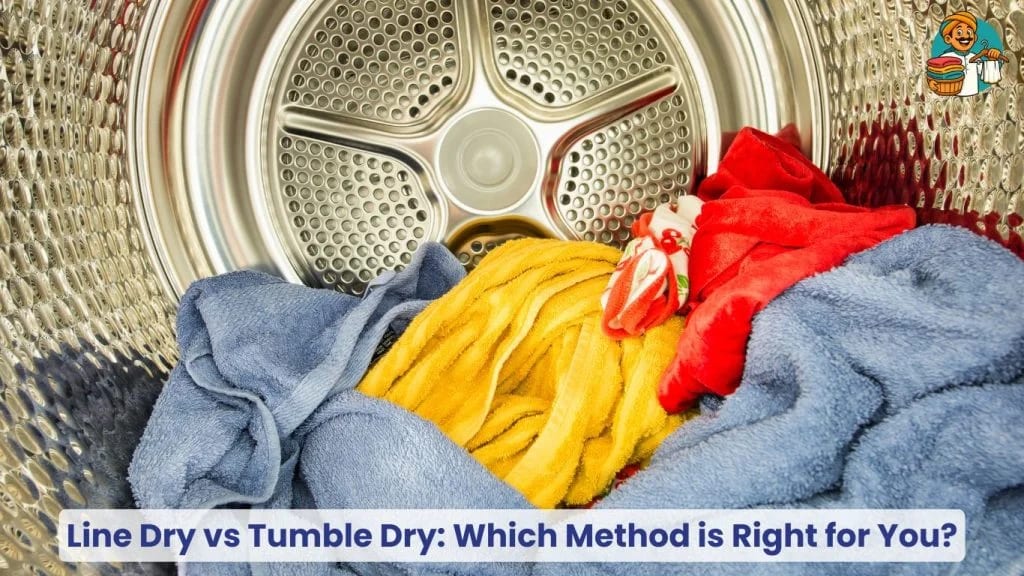
In today’s fast-paced world, selecting between line drying and tumble drying can significantly influence your laundry routine. The drying method you choose impacts not only your energy expenses and environmental footprint but also determines how well your clothes maintain their quality over time. This article provides an in-depth analysis of the advantages and disadvantages of both drying methods, guiding you towards making the most informed decision for your household.
Read: Tips for Preventing and Removing Pilling on Clothes
What is Line Drying?
Line drying is the conventional practice of drying clothes by suspending them on a clothesline or similar apparatus, whether outdoors in the fresh air and sunlight or indoors. This natural method utilizes air circulation and sunlight to gently and effectively remove moisture from garments.
Pros of Line Drying
Cost-Efficiency
Line drying is notably cost-effective as it eliminates the use of electricity or gas completely. Opting for line drying substantially reduces your monthly utility expenses, providing considerable long-term savings for budget-conscious households.
Eco-Friendly
Line drying is exceptionally eco-friendly because it emits no greenhouse gases or harmful pollutants. Embracing this drying method helps significantly reduce your household’s environmental impact, making it an excellent choice for those committed to sustainability.
Preserves Fabric
Line drying is much gentler on clothing, particularly sensitive materials like silk, wool, lace, and delicate cotton blends. Unlike tumble dryers, the air-drying method does not expose fabrics to intense heat or mechanical stress, effectively prolonging the lifespan of your favorite garments.
Natural Freshness
Clothes dried outdoors typically have a fresh, clean scent derived naturally from sunlight and fresh air. This pleasant fragrance can reduce or eliminate the need for artificial fabric softeners and perfumes, promoting healthier, chemical-free clothing care.
Read: Essential Laundry Hacks for Busy Parents: 6 Time-Saving Tips
Cons of Line Drying
Weather-Dependent
The primary drawback of line drying is its heavy dependence on weather conditions. Inclement weather such as rain, high humidity, or strong winds can severely hinder the drying process, potentially leaving your clothes damp or extending the drying period considerably.
Time-Consuming
Line drying typically requires significantly more time than tumble drying. If you’re pressed for time or regularly handling large loads of laundry, this method may not suit your lifestyle, as it demands more planning and patience.
Space Requirements
Line drying also requires adequate outdoor or indoor space. Not every household has sufficient room or suitable areas for setting up clotheslines, particularly those residing in apartments or smaller urban dwellings.
What is Tumble Dry?
Tumble drying employs an electrical appliance known as a tumble dryer, which quickly dries clothes by circulating hot air within a rotating drum. This method rapidly evaporates moisture from fabrics, offering unparalleled convenience and efficiency for modern, busy lifestyles.
Pros of Tumble Drying
Speed and Convenience
Tumble drying is renowned for its exceptional speed and convenience, capable of fully drying a load of laundry within minutes. This swift drying method caters perfectly to the demands of busy families and individuals who require quick laundry turnaround times.
Wrinkle Reduction
Many contemporary tumble dryers include specialized features such as wrinkle reduction and anti-crease functions. These advanced settings drastically reduce ironing efforts, further boosting convenience and overall time savings for busy households.
All-Weather Solution
Tumble dryers deliver consistent and reliable drying results regardless of external weather conditions. Rain, snow, or high humidity—your laundry schedule remains uninterrupted, ensuring your garments are ready whenever you need them.
Hygiene Benefits
Tumble dryers utilize heat to dry clothes, which can help eliminate bacteria and allergens that thrive in damp environments. This is especially advantageous for households with young children or individuals prone to allergies and respiratory sensitivities.
Read: How to Remove Holi Color Stains from Clothes – Easy & Safe Methods
Cons of Tumble Drying
Energy Consumption
A major disadvantage of tumble drying is the substantial energy usage, significantly elevating monthly utility bills. This high consumption of electricity also contributes notably to your home’s carbon footprint, impacting environmental sustainability negatively.
Fabric Wear and Tear
Frequent tumble drying exposes clothes to intense heat and mechanical friction, potentially causing significant damage to fabric fibers. Regularly tumble-dried clothing may experience premature fading, shrinkage, and general wear, shortening garment longevity.
Noise and Maintenance
Tumble dryers can generate considerable noise during operation, potentially causing disturbance in quiet household environments. Additionally, tumble dryers require regular maintenance, including lint removal and vent cleaning, to function safely and efficiently.
Choosing the Right Method
Consider Your Fabric
Evaluate the type of fabric when selecting a drying method. Delicate materials benefit greatly from line drying, while more durable fabrics can comfortably withstand tumble drying.
Environmental Impact
Prioritize line drying if your goal is to minimize environmental impact. If sustainability is less crucial compared to convenience and efficiency, tumble drying might be preferable.
Time Constraints
Assess your available time. Opt for tumble drying if you’re typically short on time, whereas line drying is ideal if you’re able to accommodate longer drying durations.
Household Space
Determine the availability of space within your home. If you lack adequate drying space, tumble drying may be necessary, whereas households with sufficient room may comfortably adopt line drying.
Read: How Professional Laundry Services Deep Clean Your Bedding & Comforters
Conclusion
Ultimately, choosing between line drying and tumble drying hinges on your individual preferences, lifestyle demands, and household setup. Line drying offers significant environmental benefits, cost savings, and gentle garment care, making it a perfect choice for eco-conscious, budget-sensitive individuals. Conversely, tumble drying delivers unmatched convenience, efficiency, and speed, ideally suited for busy households with limited time and space constraints. By carefully evaluating these factors, you can confidently select the drying method that best meets your specific needs.
If you’re looking for a faster, hassle-free laundry solution, let Laundrywala take care of it for you! With expert services tailored for busy families, Laundrywala offers convenient, affordable, and reliable laundry solutions.
Try Laundrywala today and make laundry day a thing of the past!
FAQs – India’s Best Laundry Franchise Chain
Straight answers for entrepreneurs evaluating Laundrywala as a profitable laundry business and low investment franchise in India.